
Home Energy Audit Services for New Orleans, LA
Our Home Energy Audit identifies the "hidden" leaks and inefficiencies that drive up utility bills and compromise your family’s comfort.
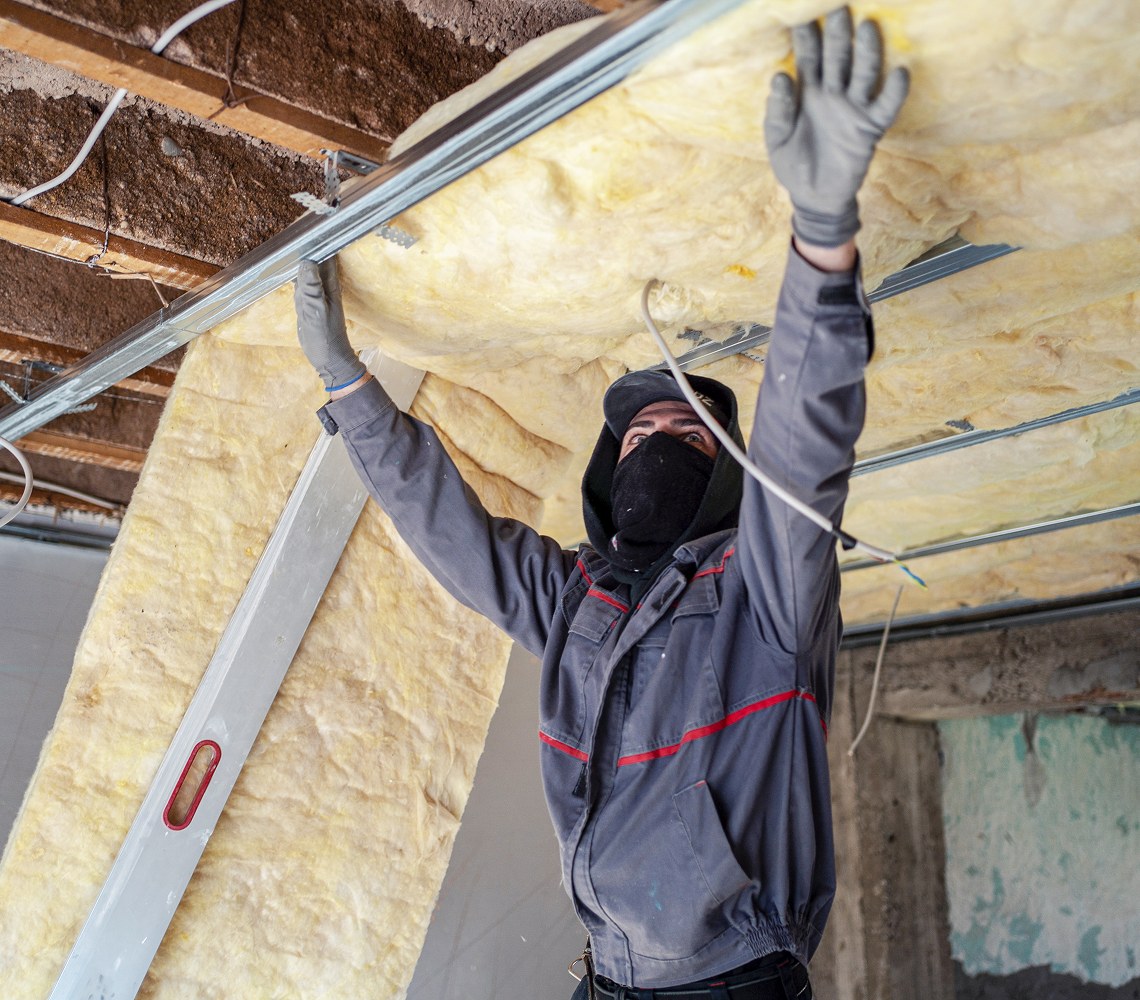
Detailed Insulation Values Analysis
Most homeowners know they have insulation, but few know if it is actually doing its job. During our audit, we perform a deep dive into your home’s insulation values. We don't just check the depth of the fiberglass or cellulose; we look for "voids," compression, and settling that create thermal bridges. By calculating the actual R-value of your attic, walls, and crawlspaces, we can determine exactly how much heat is escaping in the winter and radiating in during the summer.
Advanced Infrared Camera Inspection
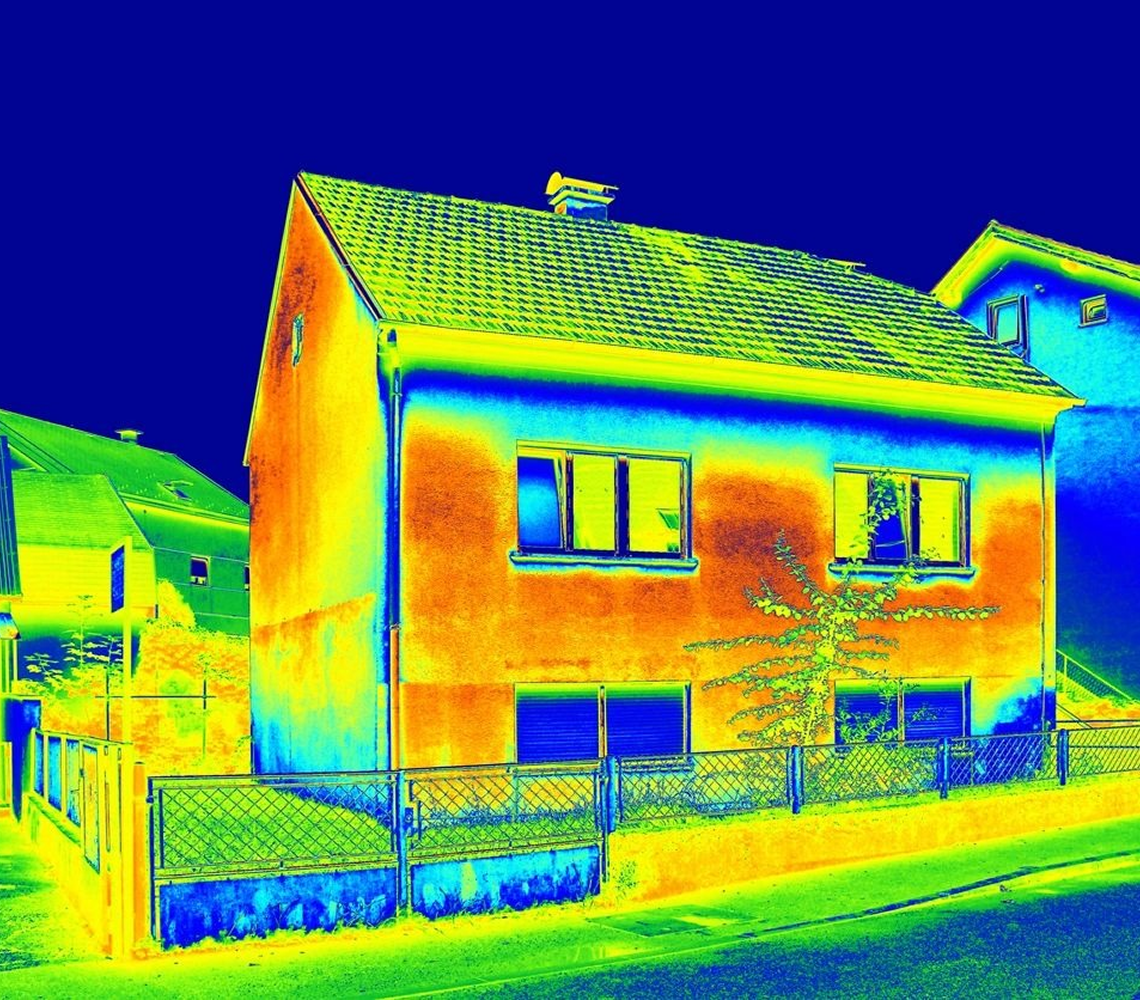
To see what the naked eye cannot, we use state-of-the-art Infrared (Thermal Imaging) cameras. This technology allows us to "see" temperature differences on your walls and ceilings.
Identify Air Leaks: See cold air rushing in around outlets, baseboards, and top plates.
Locate Moisture: Find hidden leaks or condensation points before they become mold issues.
Electrical Safety: Detects overheating circuits or breakers that may pose a fire risk. This non-invasive scan provides a visual "heat map" of your home's performance gaps.
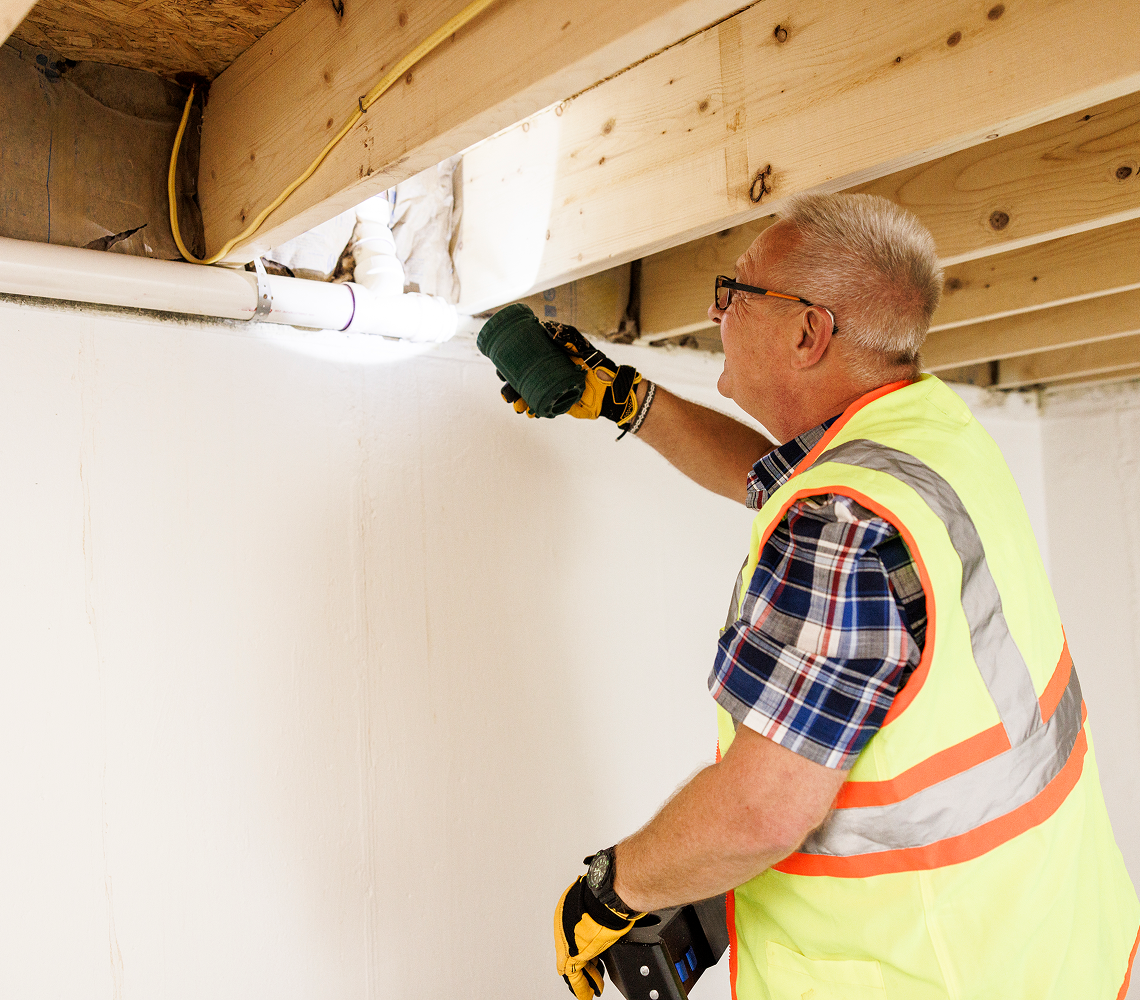
Window Co-Efficient Values & Performance
Windows are often the weakest point in a home’s thermal envelope. We evaluate your window co-Efficient values—including the U-Factor and Solar Heat Gain Coefficient (SHGC).
U-Factor: We measure how well your windows prevent heat from escaping.
SHGC: We assess how much solar radiation (heat from the sun) enters your home. By understanding these specific values, we can recommend targeted solutions—whether it’s specialized window films, weatherstripping, or high-efficiency replacements—to ensure your HVAC system isn't fighting an uphill battle against your glass.
Also Serving Jefferson Parish: Metairie, St. Tammany Parish: Mandeville, Covington, Slidell, St. Charles Parish: Destrehan, East Baton Rouge Parish: Baton Rouge, St. Bernard Parish: Chalmette
A home energy audit is not a collection of isolated readings. In New Orleans, LA, humidity and seasonal pressure shifts can interact with a building envelope in ways that trigger cascading system effects. Even small air leakage changes can significantly alter HVAC load behavior.
In many cases, Star Energy Audits finds that insulation upgrades shift airflow patterns within wall cavities. This can redistribute conditioned air unevenly and create pressure imbalances that draw untreated exterior air through hidden pathways like attics or crawlspaces. The result is increased system strain and reduced equipment lifespan.
Understanding these interactions is essential during any house energy audit, because fixing one issue without mapping system dependencies can simply move the problem elsewhere. Unlike standard home inspections, which focus on visible defects, this approach evaluates how systems perform under real operating conditions.
Traditional home inspections confirm component condition, but they rarely measure airflow, humidity load, moisture, or pressure imbalance behavior across the structure.

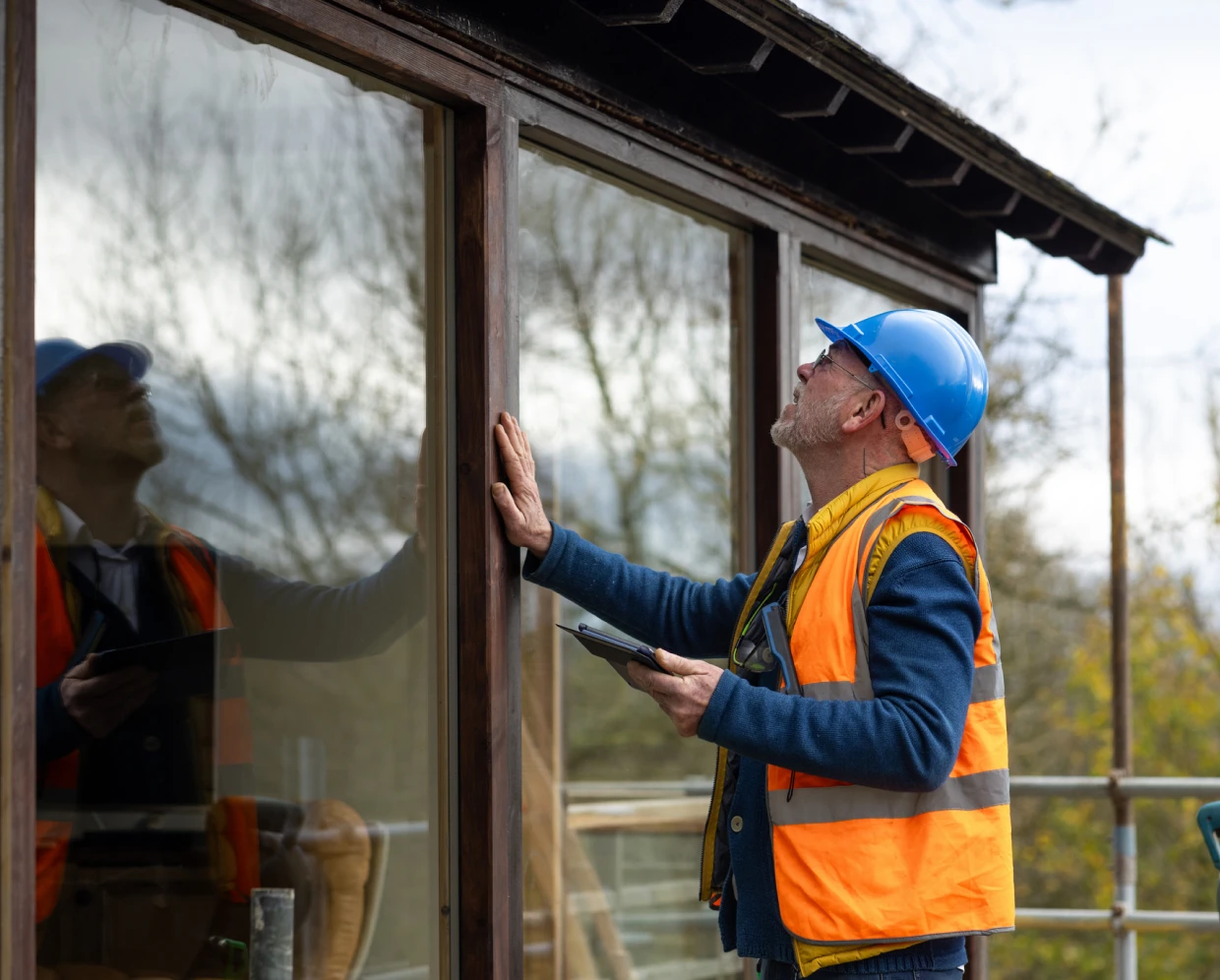
Sample Energy Audit Report Breakdown
A technical audit output from Star Energy Audits is structured as a hierarchical diagnostic model rather than a simple checklist, with each finding assigned a performance classification based on system interaction risk and energy loss magnitude.
Critical findings typically involve envelope breaches that directly affect safety or system stability, such as combustion venting irregularities or significant pressure leakage zones between conditioned and unconditioned spaces. These are prioritized for immediate remediation due to their potential to affect indoor air quality and structural durability.
Moderate findings often include insulation discontinuities or duct leakage that incrementally increases operational load. While not immediately hazardous, they compound inefficiency over time, especially in high-humidity climates like New Orleans, LA, where thermal bridging accelerates moisture intrusion.
Rebate Qualification Mapping System
A core advantage of a home energy audit conducted by Star Energy Audits is the ability to convert diagnostic data into rebate-eligibility pathways. Instead of treating incentives as separate applications, audit findings are mapped directly to program thresholds defined by local utility providers and federal efficiency standards.
For example, verified air sealing improvements paired with documented insulation deficits may qualify a property for layered incentive programs, while HVAC inefficiency ratings can unlock system replacement credits. This transforms a standard house energy audit into a financial optimization model, where each structural correction is tied to measurable economic return through rebates and tax credits.
For property owners seeking data-backed clarity on building performance, Star Energy Audits provides a diagnostic-first home energy audit approach that prioritizes safety and long-term structural resilience. Contact us today in New Orleans, LA, to receive a complete system interaction profile and a rebate-aligned improvement roadmap.
Frequently Asked Questions
What makes a technical energy audit different from a basic inspection?
A technical audit uses diagnostic instrumentation such as pressure testing and thermal imaging to quantify performance issues rather than visually estimating them.
How long does a typical audit take?
Will I receive a prioritized action plan?
Can audit results help with renovation planning?
HVAC Pressure Balancing
A properly balanced HVAC system is essential for consistent airflow and comfort. We test and adjust air pressure levels throughout your home to ensure each room receives the right amount of conditioned air. This improves efficiency, reduces strain on your system, and enhances overall indoor comfort.